Choosing the Right Graphic Design Agency in Zambia for Your Business


Voxforem Technology
Voxforem Technology is a fast-growing global IT services company with a strong presence in Zambia, the USA, the UK, and India. We specialize in web development, mobile app development, custom software solutions, and digital marketing services helping businesses of all sizes embrace digital transformation.
Let’s Together!Contact Info

In today’s digital-first world, a business’s website or application is often the first interaction customers have with its brand. Within seconds, users form opinions based on how a digital product looks, feels, and functions. This is where user interface design plays a critical role. A well-crafted user interface not only enhances visual appeal but also builds customer trust, improves usability, and directly contributes to higher sales and conversions.
This blog explores how user interface design influences customer perception, trust, and purchasing decisions—and why investing in strong UI design is essential for business growth.
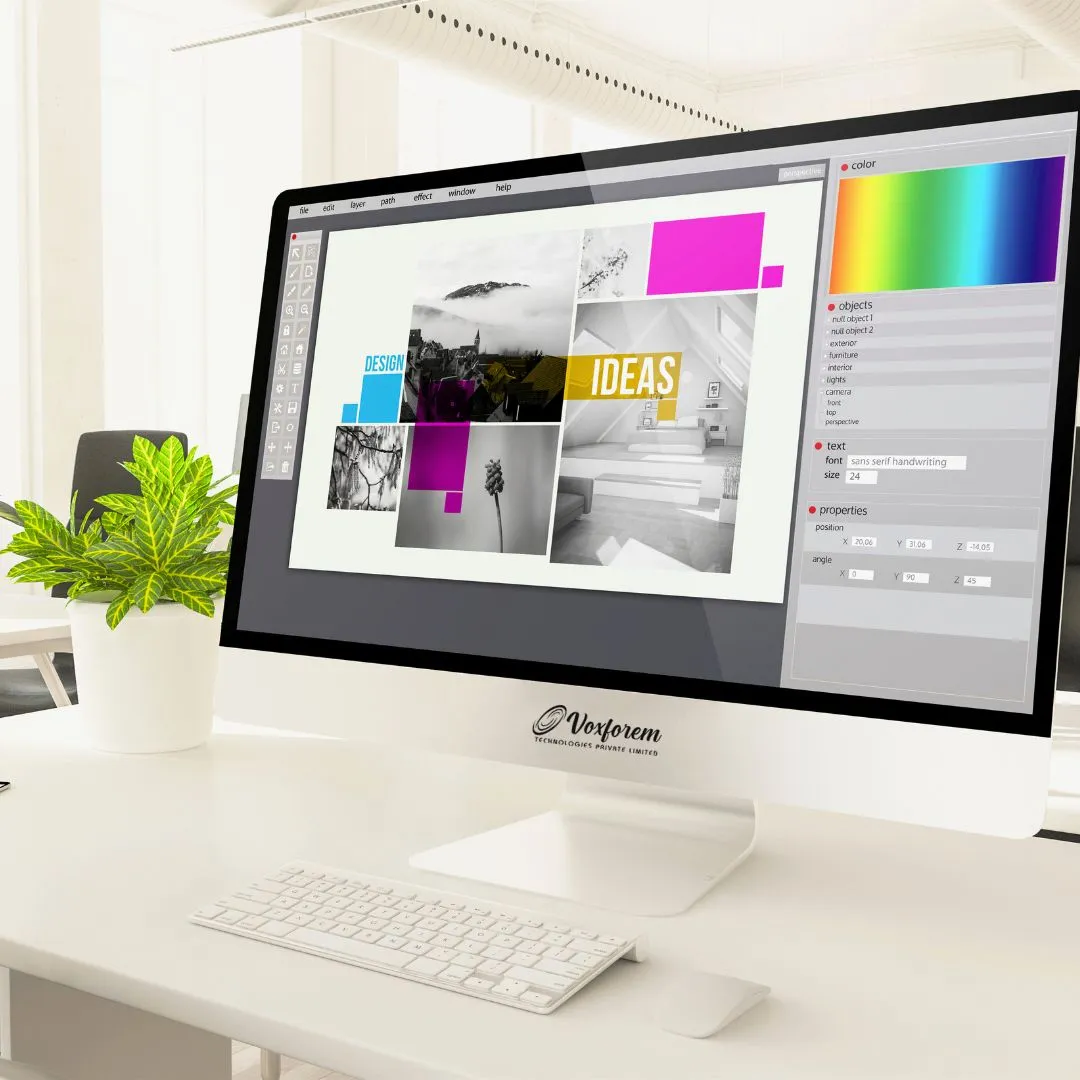
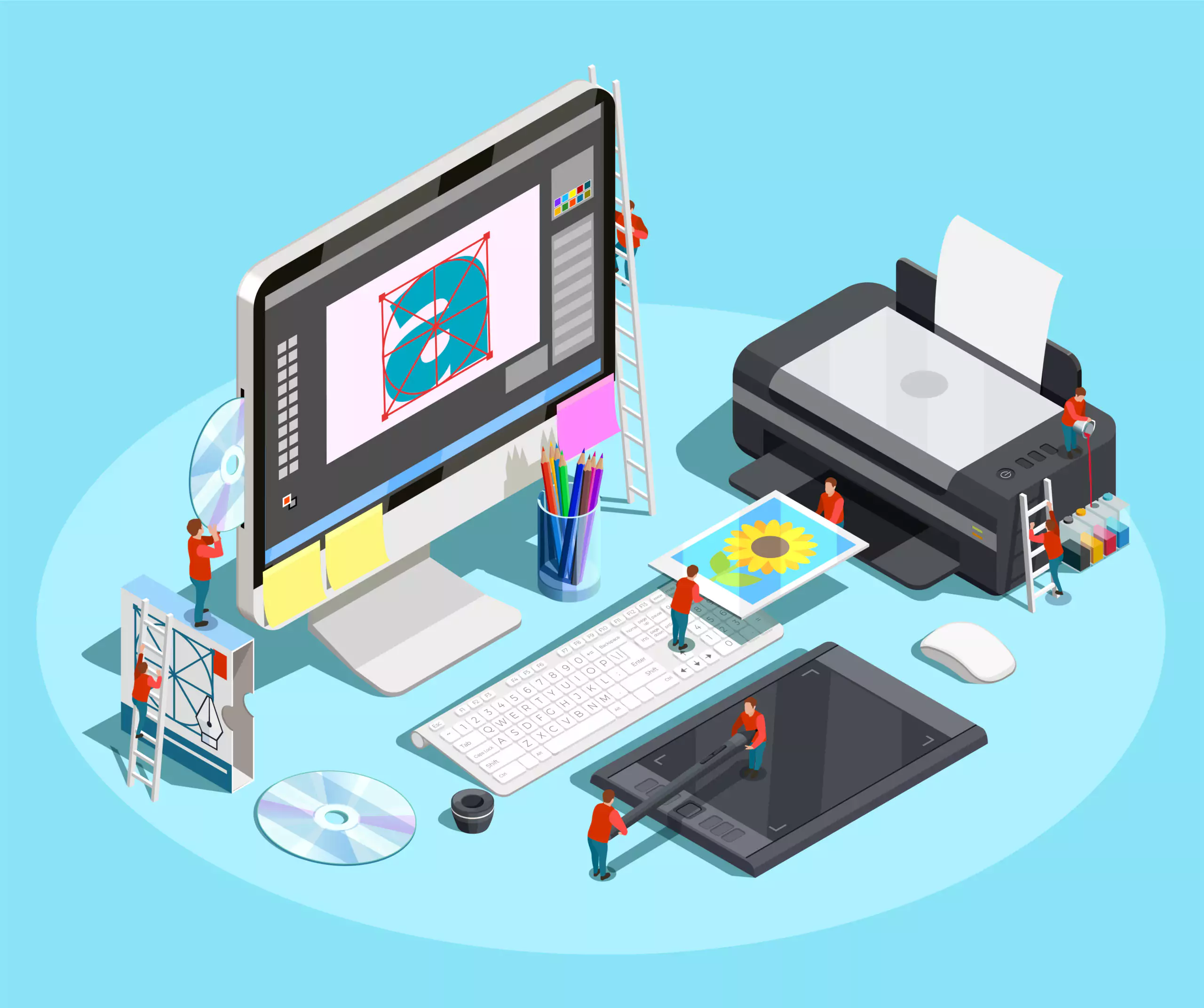
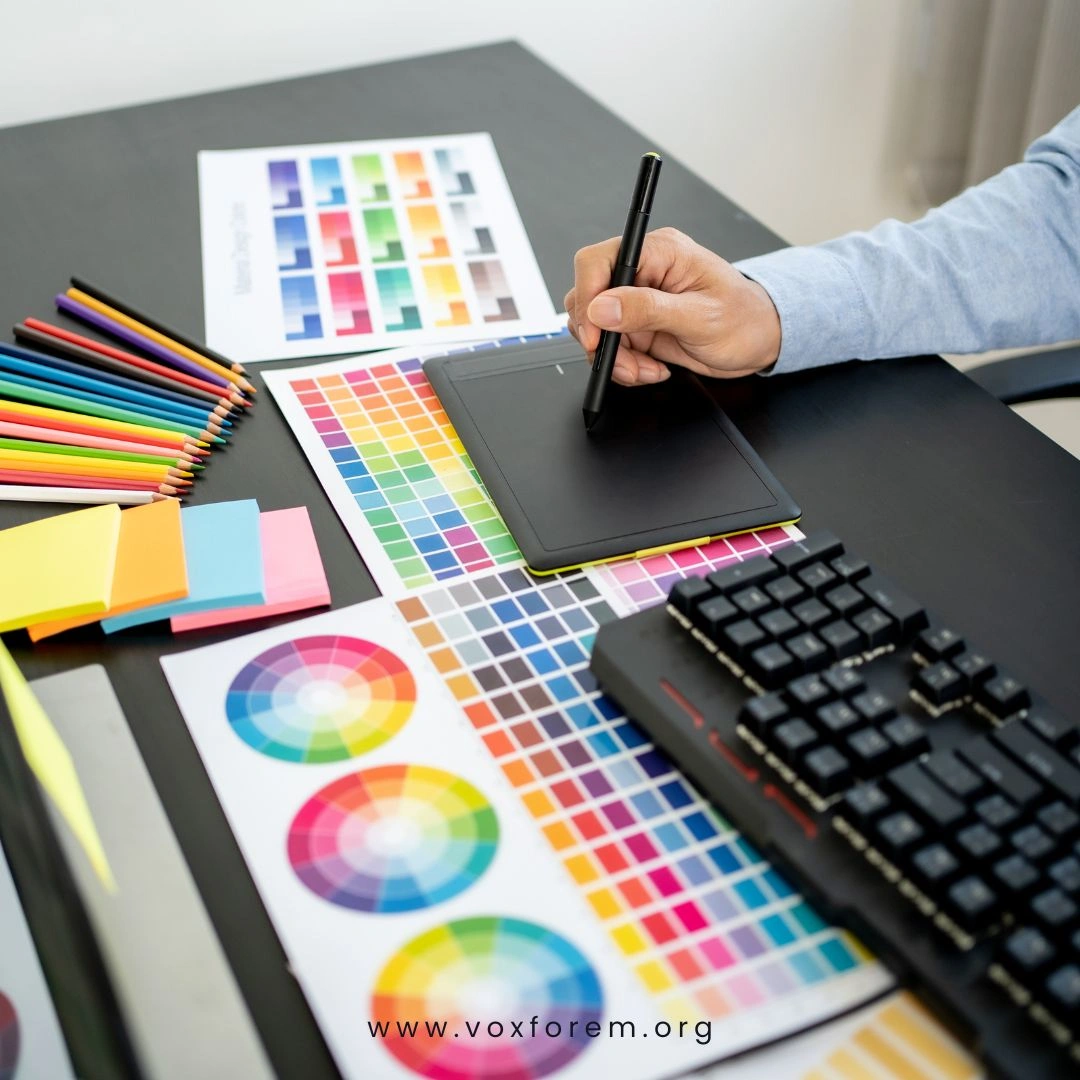
User interface design focuses on the visual and interactive elements of a digital product. It determines how users interact with a website, app, or software system. UI design includes layout, typography, colors, buttons, icons, spacing, and interactive feedback.
While user experience (UX) looks at the overall journey, user interface design ensures that each touchpoint is clear, intuitive, and visually consistent.
Trust is the foundation of any successful business relationship. Online, trust is built visually and functionally before a customer ever speaks to a brand representative.
Users form opinions about a website within a few seconds. A clean, modern, and well-structured interface signals professionalism and credibility.
Poor UI design—such as cluttered layouts, inconsistent fonts, or outdated visuals—can immediately create doubt and cause users to leave.
Strong user interface design helps by:
Consistency in UI elements reassures users that they are in a controlled, well-designed environment. When buttons, colors, icons, and layouts behave predictably, users feel more comfortable interacting with the product.
Inconsistent design, on the other hand, can feel confusing or untrustworthy.
Key consistency elements include:
Customers hesitate when they feel uncertain. A strong user interface design removes friction and reduces decision anxiety by guiding users clearly.
Clear labels, readable fonts, sufficient spacing, and logical layouts make it easy for users to understand what to do next.
When users feel guided rather than confused, trust naturally increases.
Beyond trust, user interface design directly impacts user behavior and conversion rates. A visually appealing but poorly structured interface will still fail to convert.
If users struggle to find information, products, or checkout options, they are unlikely to convert. UI design ensures smooth navigation that leads users toward desired actions.
Effective UI navigation includes:
When users reach what they want faster, sales increase.
Calls to action (CTAs) are critical conversion points. The design of buttons—size, color, placement, and wording—has a major impact on whether users click.
Good user interface design ensures CTAs stand out without being aggressive.
High-performing CTA design principles:
With a large percentage of users browsing and purchasing on mobile devices, responsive user interface design is no longer optional.
Mobile-friendly UI design ensures:
A poor mobile interface can cost businesses a significant portion of potential sales.
Speed is part of UI perception. Heavy visuals, poor layout structure, or unoptimized elements slow down page loading and frustrate users.
A clean and efficient user interface design:
Users are far more likely to buy when an interface feels fast and responsive.
UI design is a direct extension of brand identity. Colors, typography, imagery, and spacing all communicate brand values-whether consciously or subconsciously.
A strong user interface design can position a brand as:
Poor design, however, can damage brand credibility regardless of product quality.
Even well-intentioned designs can fail if basic UI principles are ignored.
Common mistakes include:
Avoiding these mistakes is just as important as adding new features.
To build trust and increase sales, businesses should follow proven UI design best practices:
Continuous testing and improvement ensure the interface evolves with user needs.
Investing in professional user interface design is not just a design decision—it’s a business strategy.
Benefits include:
A well-designed interface pays for itself through improved performance and customer loyalty.
User interface design is a critical factor in building customer trust and driving sales in today’s competitive digital environment. A well-structured, visually consistent, and user-friendly interface helps users feel confident, reduces friction, and guides them seamlessly toward conversion. Businesses that invest in strong UI design benefit from improved engagement, higher conversion rates, and long-term brand credibility. At Voxforem Technologies, user interface design is approached strategically-combining aesthetics with usability to create digital experiences that not only look great but also deliver measurable business results.