Choosing the Right Graphic Design Agency in Zambia for Your Business


Voxforem Technology
Voxforem Technology is a fast-growing global IT services company with a strong presence in Zambia, the USA, the UK, and India. We specialize in web development, mobile app development, custom software solutions, and digital marketing services helping businesses of all sizes embrace digital transformation.
Let’s Together!Contact Info
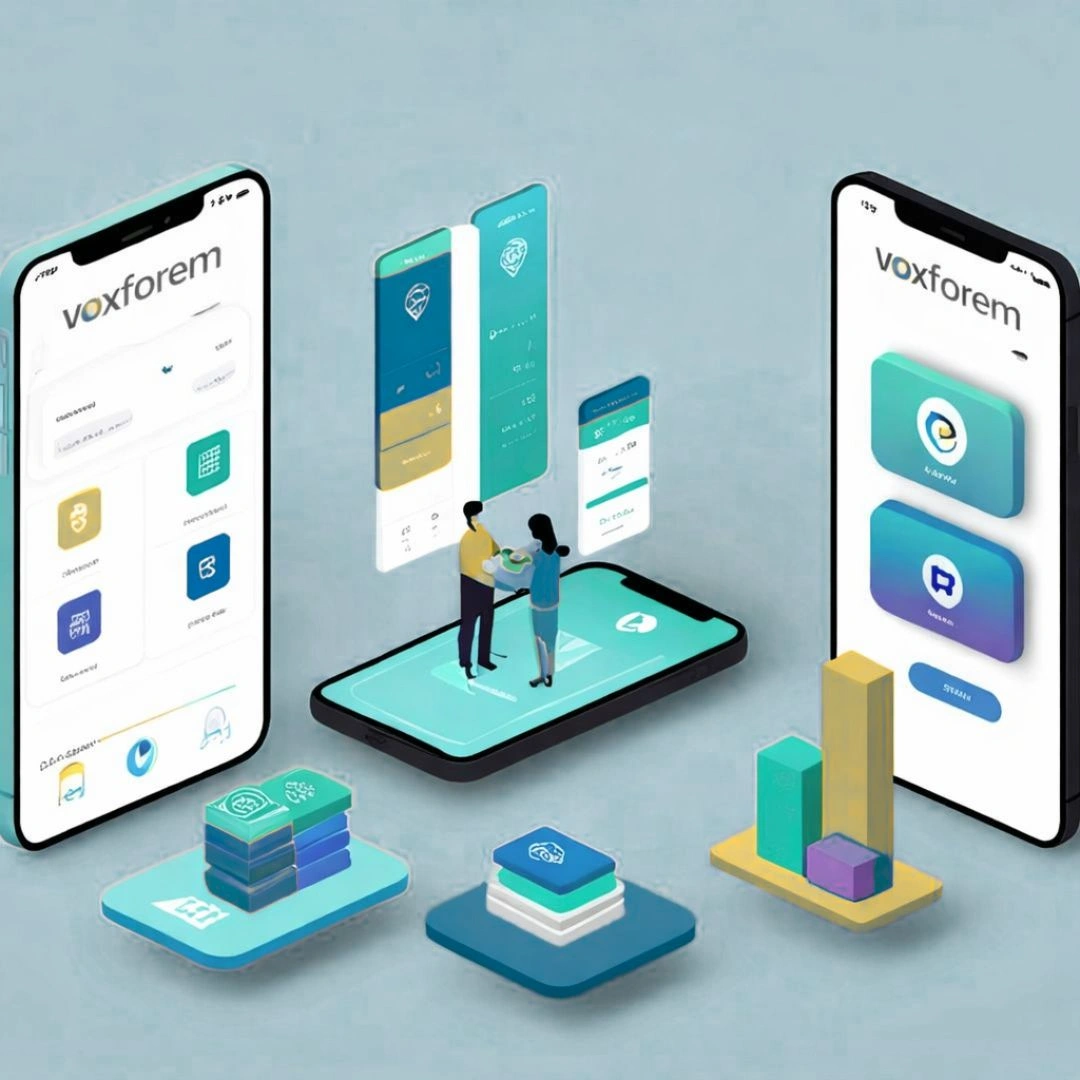
In today’s digital economy, launching a mobile application is no longer the ultimate goal for businesses. The real success lies in how actively users interact with the app after downloading it. This is where mobile app engagement becomes critical. An app that is downloaded but rarely used adds little value. However, an app that users frequently open, explore, and interact with can become a powerful growth engine for any business.
Mobile apps are not just digital tools - they are direct communication channels between a brand and its customers. The stronger the engagement, the stronger the relationship.
Mobile app engagement refers to how users interact with an application over time. It includes actions such as logging in regularly, browsing features, completing purchases, responding to notifications, and spending meaningful time inside the app.
High engagement signals that users find value in the app. Low engagement, on the other hand, indicates that something is missing - whether it’s usability, relevance, or performance.
Businesses that focus on improving user engagement in mobile apps often see measurable improvements in customer retention, brand loyalty, and revenue growth.
An engaged user is far more likely to convert into a paying customer. They are also more likely to make repeat purchases and recommend the app to others.
Here’s how engagement influences business growth:
When businesses invest in mobile app engagement strategies, they create consistent touchpoints that drive long-term revenue.
Many businesses focus heavily on increasing app downloads. While downloads are important, they are only the first step. The real metric that matters is retention.
Mobile app user retention measures how many users continue using the app after their first visit. If users uninstall the app within a few days, the marketing investment is wasted.
Improving mobile app retention often leads to:
Retention and engagement work together. Without engagement, retention declines.
Mobile apps provide a direct channel to customers. Through features such as push notifications, personalized offers, and in-app messaging, businesses can create meaningful interactions.
For example:
When used strategically, these engagement tools build trust and loyalty.
However, overusing notifications or sending irrelevant messages can harm engagement. Businesses must strike the right balance.
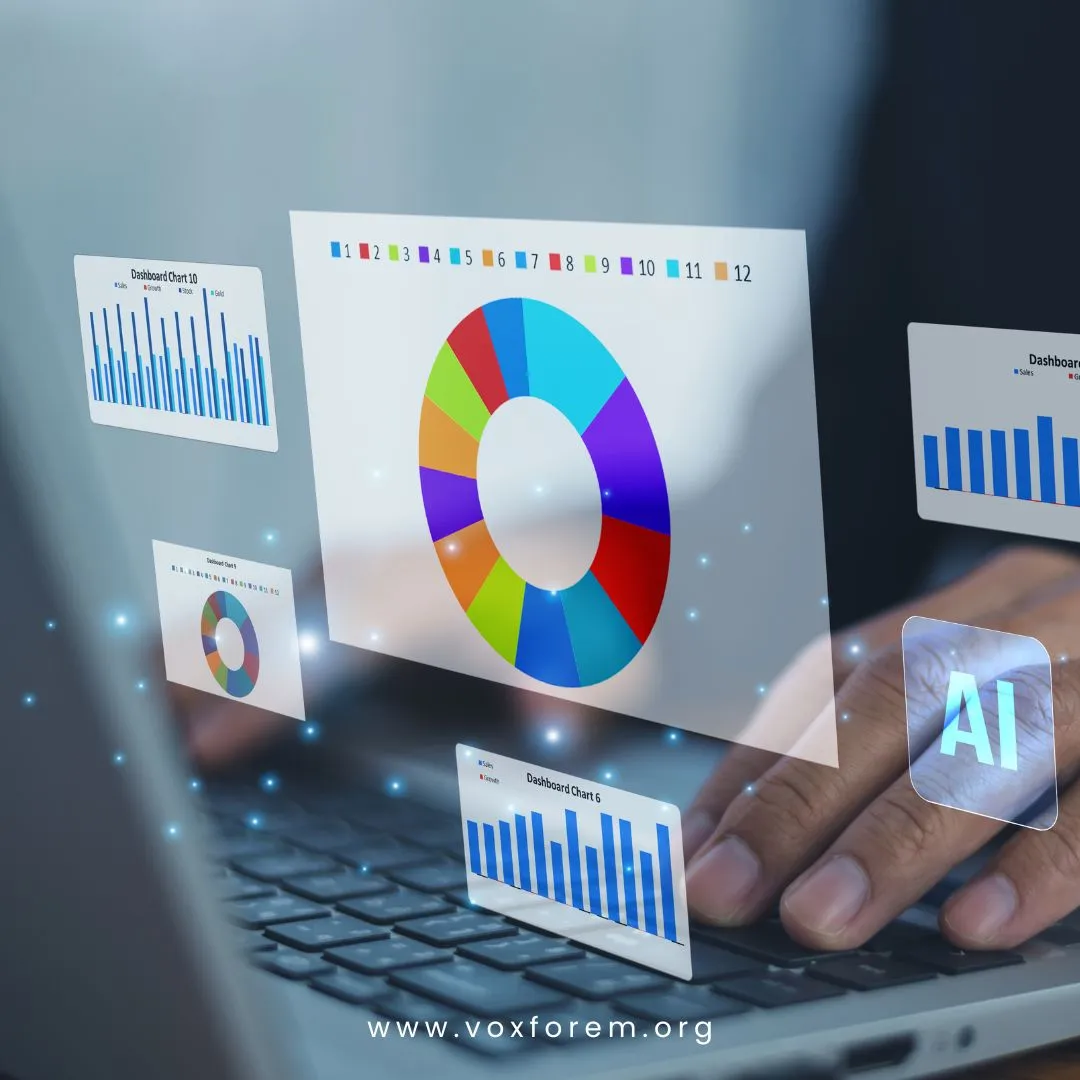
One major advantage of mobile apps is access to usage data. App usage analytics help businesses understand:
This data supports smarter decision-making. Instead of guessing what users want, businesses can optimize their mobile app growth strategy based on real behavior.
Data-driven improvements often include:
Continuous optimization leads to better performance and sustained growth.
Today, almost every industry has multiple apps competing for attention. Businesses that fail to focus on engagement risk being ignored.
An app that delivers consistent value stands out. Features that improve engagement may include:
By enhancing mobile app customer experience, companies create a competitive advantage that is difficult to replicate.
Customers who regularly use a mobile app develop familiarity with the brand. Over time, this familiarity turns into trust.
Brand loyalty is built when:
Engaged users are less likely to switch to competitors. They become long-term customers and brand advocates.
Push notification strategy plays a significant role in increasing mobile app engagement. When used effectively, notifications can:
However, irrelevant or excessive notifications can lead to app uninstalls.
In-app engagement features such as loyalty programs, interactive content, and quick checkout options also contribute to sustained interaction.
The goal is not to push users constantly, but to deliver value at the right time.
Apps with higher engagement and retention rates often receive better ratings and reviews. Positive feedback improves visibility in app stores.
Higher ratings lead to:
This creates a cycle: strong engagement improves visibility, which brings more users, which further strengthens growth.
To improve engagement, businesses must track the right metrics. Common engagement indicators include:
Monitoring these metrics helps businesses adjust strategies and refine their mobile app engagement approach.
Improving engagement is not a one-time task. It requires continuous effort and adaptation.
A strong engagement strategy should focus on:
Businesses that consistently refine their apps see sustained results.
Mobile app engagement is more than just a performance metric — it is a direct reflection of how well your business connects with its customers. When users consistently interact with your app, it signals trust, relevance, and value. That engagement translates into higher retention, stronger loyalty, and increased revenue opportunities.
Businesses that prioritize user experience, meaningful communication, and continuous improvement position themselves for long-term success. An app should not simply exist — it should evolve, adapt, and deliver measurable results.
At Voxforem Technologies, we understand that true business growth comes from building mobile applications that do more than function - they engage, retain, and convert. With the right strategy and execution, mobile app engagement becomes a powerful engine for sustainable growth.